The role of yoga in trauma recovery
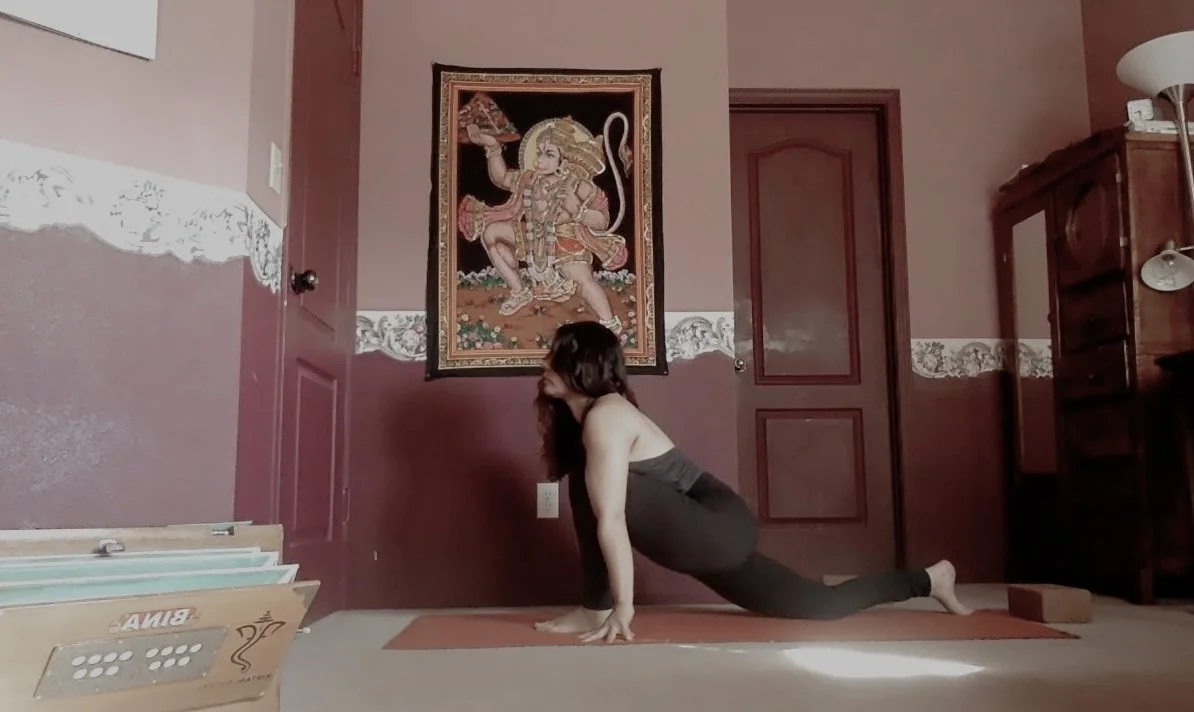
Transcription 𝘧𝘳𝘰𝘮 𝘢𝘯 𝘪𝘯𝘵𝘦𝘳𝘷𝘪𝘦𝘸 𝘸𝘪𝘵𝘩 𝘋𝘳 𝘉𝘢𝘴𝘴𝘦𝘭 𝘝𝘢𝘯 𝘥𝘦𝘳 𝘒𝘰𝘭𝘬, 𝘢 𝘳𝘦𝘯𝘰𝘸𝘯𝘦𝘥 𝘳𝘦𝘴𝘦𝘢𝘳𝘤𝘩𝘦𝘳 on 𝘵𝘩𝘦 𝘦𝘧𝘧𝘦𝘤𝘵𝘴 𝘰𝘧 𝘵𝘳𝘢𝘶𝘮𝘢 𝘪𝘯 𝘵𝘩𝘦 𝘣𝘳𝘢𝘪𝘯-𝘣𝘰𝘥𝘺, 𝘢𝘯𝘥 𝘪𝘵𝘴 𝘵𝘳𝘦𝘢𝘵𝘮𝘦𝘯𝘵:
“See our culture is not a culture that is very focused on self-regulation; but there are other cultures, like the Chinese or Indian, where you can really learn to control your own physiology. There are age-old Chinese and Indian methods where you can learn that by controlling your breath and controlling your movement, you can manage your own physiological arousal.
The only one of these that I have done research on and studied is yoga, I haven’t really studied TaiChi or QiGong, but I wouldn’t be surprised if they didn’t do the same thing: You can actually learn to manage the housekeeping of your body, which gets so disturbed by trauma, by engaging in a regular yoga practice and really learning how to move and breathe in a way that makes you feel calm and safe.
The mainstream culture in the west is very much: “if you feel bad take a drug”. So we send these very contradictory messages to our kids, we say “don’t take drugs, but take these drugs for your ADHD” - but what we don’t really teach kids or adults in our culture is that you can actually regulate your own physiology. Every school should teach kids how to regulate their own physiology. It should be a basic skill, that all of us as humans should learn.”
𝘚𝘰 𝘸𝘩𝘢𝘵 𝘥𝘰𝘦𝘴 𝘵𝘩𝘪𝘴 𝘭𝘰𝘰𝘬 𝘭𝘪𝘬𝘦 𝘱𝘳𝘢𝘤𝘵𝘪𝘤𝘢𝘭𝘭𝘺?
”You start every day doing yoga or qigong, you start by sitting still, focusing on your body, activating the interoceptive part of your brain that impacts self-regulation. You pay attention to how you move and how you breathe, you notice how your breathing patterns change your thinking patterns and moods, and you really become familiar with your own internal experience.”
You can listen to the entire interview here: